Rome is the city where time always feels too short. There's so much to see, the streets distract you, and before you know it, you're sitting with an espresso as the afternoon passes by. That's one way to get to know the city, but if you only have three days, some structure helps. Here's how I'd spend 3 days in Rome: what to do, where to eat, and how to navigate the city.
Day 1: Bike Tour, Monti and Trastevere
The best decision for a city trip to Rome is to start the first morning with a bike tour. Baja Bikes offers a highlights tour that takes you to the Colosseum, Roman Forum, and through the charming streets of the historic center in just a few hours. You get context, see how the city fits together, and know exactly what you want to revisit over the next two days. Book this in advance, especially during peak season. Handy detail: you can also rent bikes from Baja Bikes for the rest of your stay, which is a great way to get around in Rome.
After the bike tour, it's good to take it easy in the afternoon. Two options, depending on what you'd like to see.
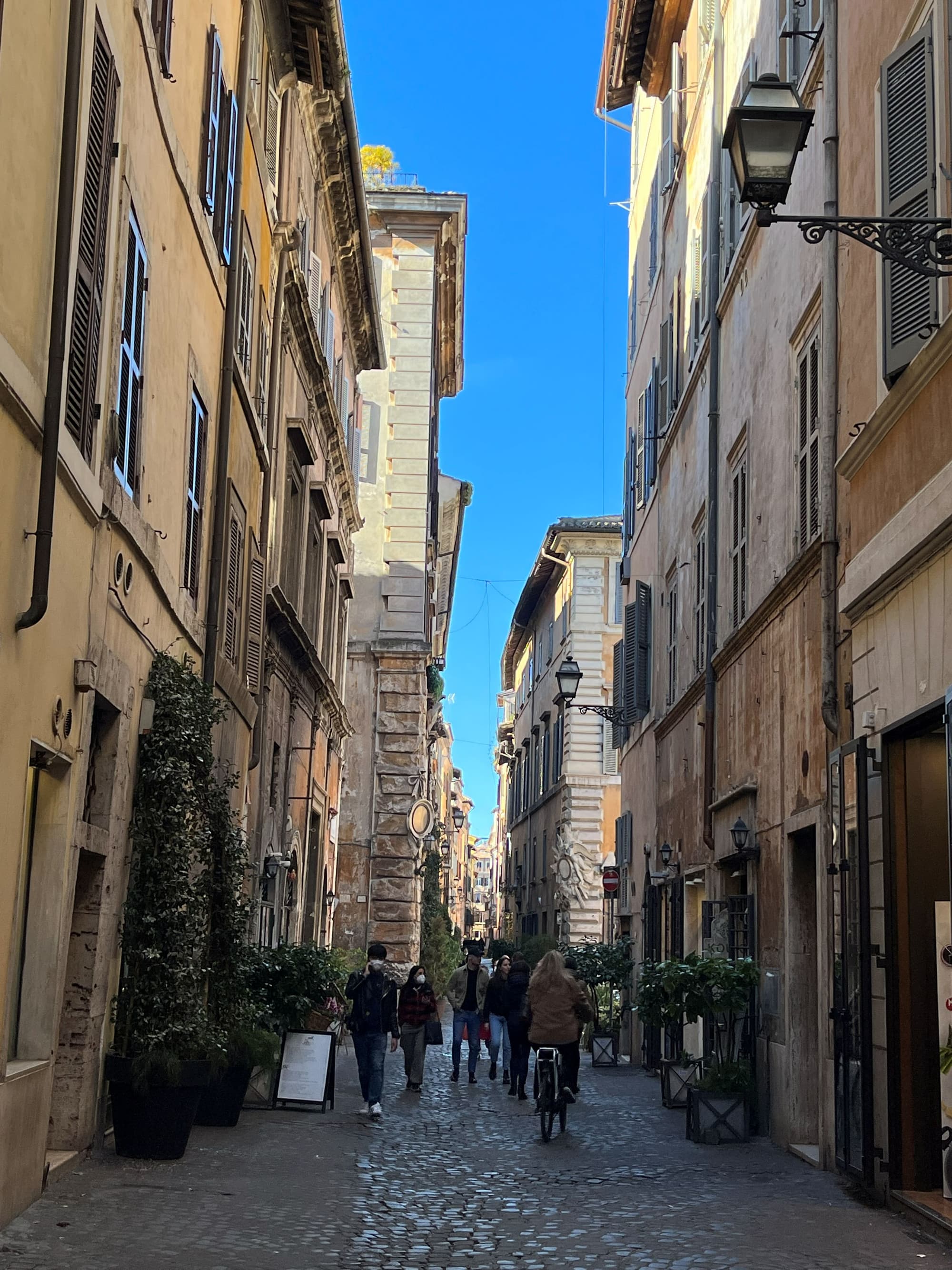
Head into the Monti district for lunch, coffee, or an aperitif. Monti is one of the most delightful neighborhoods in Rome: small restaurants, vintage shops, and a vibe that's far from touristy. Baja Bikes is nearby, so this is a logical option after the tour. Read more in my article on Monti.
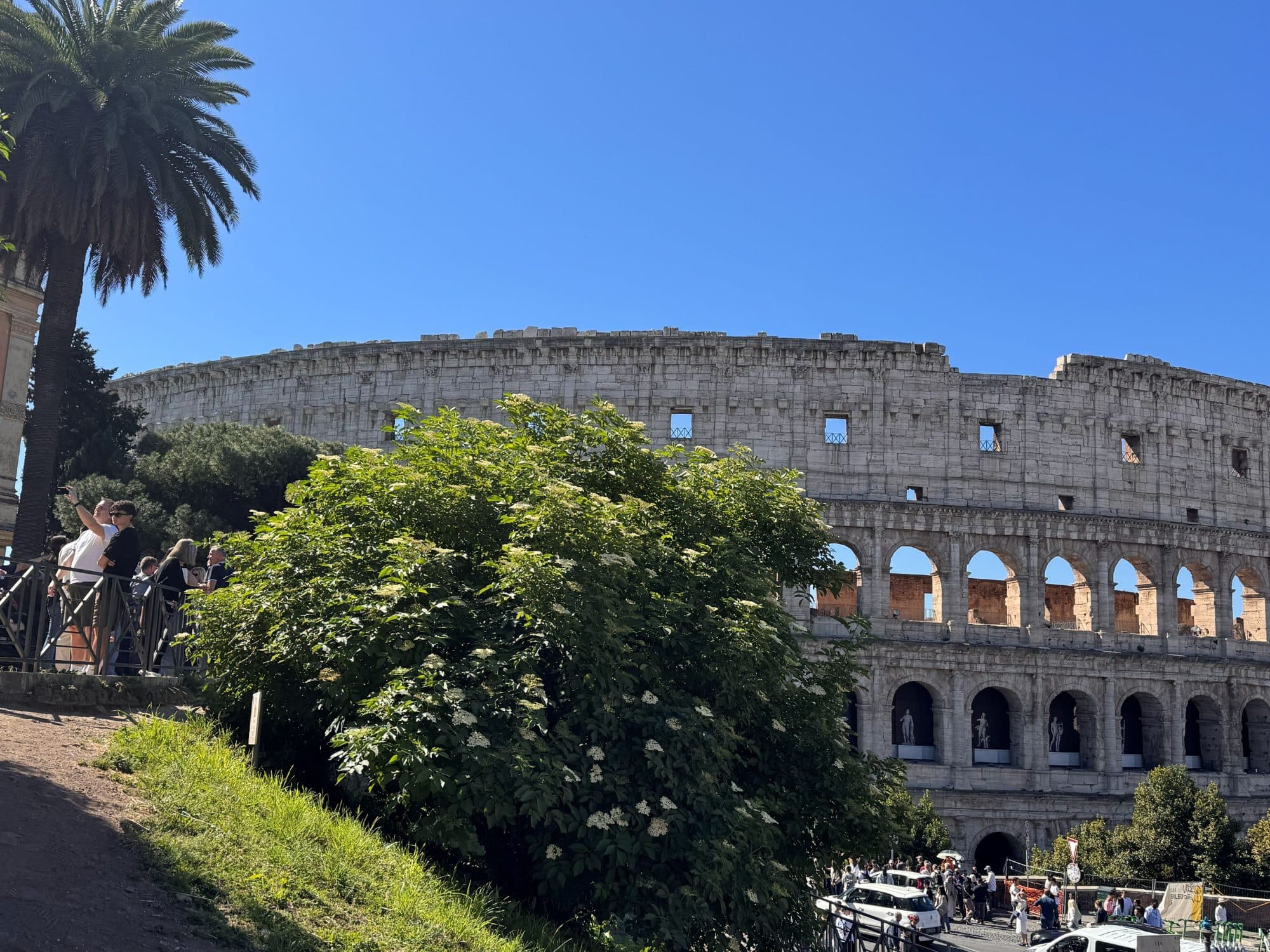
Or head directly to the Colosseum, also just around the corner. Buy your tickets beforehand to skip the line. Access to the Colosseum, Roman Forum, and Palatine Hill can be reserved here. There are plenty of providers and options. We found it sufficient to enter the Colosseum without a guide, and there's no need to pay extra for the underground (you can see it from above). After the Colosseum, stroll to Monti to explore the neighborhood.
Lunch in Monti is great at Ai Tre Scalini (a sort of wine bar on Via Panisperna) or at Taverna Urbana (on Via Urbana).
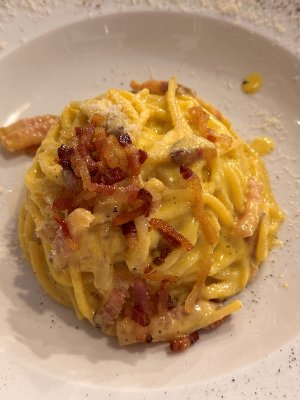
Save your energy for the evening and head to Trastevere. This area really comes alive at night: narrow streets, ivy-draped façades, and plenty of restaurants to fill your evening. My tips here are Trattoria da Enzo or Da Meo Patacca.
If you're still searching for charming hotels, check out my favorite list of hotels in Trastevere here.
And for the trattorias I'd choose in Rome, refer to my list of the best trattorias in Rome.
Day 2: Vatican, Castel Sant'Angelo, and Piazza Navona
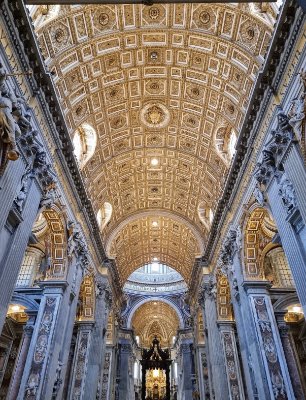
Day two requires an early start. The Vatican is the largest and busiest visit of the three days, and the earlier you arrive, the better. The St. Peter's Square has something awe-inspiring that's best experienced in the morning calm rather than the afternoon crowd. The St. Peter’s Basilica is free to visit but requires patience: the line is always long. If you want to climb the dome, it's best done early.
The Vatican Museums and the Sistine Chapel are a separate half-day. Always buy your tickets online in advance. You can also book a guided tour with tickets included, which is worth it during high season. It gives you priority access and lasts about 2-3 hours.
After the Vatican, walk over the Bridge of Angels back towards the center, past Castel Sant'Angelo. Then continue to Piazza Navona. Don't eat lunch on the square itself; the restaurants there are mainly for tourists, but walk a few streets further for a better meal. In the evening, the square is beautiful for an aperitif. My lunch tips in this area are Terrazza Borromini (rooftop terrace on Via di Santa Maria dell'Anima) or La Place del Plato (on Via del Teatro Pace). Or order my Google Maps card here with all my Rome hotspots.
Day 3: Spanish Steps, Trevi Fountain, and Pantheon
Day three also calls for an early start, perhaps even more than the other two days. Visit the sights in a logical order to save a lot of back-and-forth walking.
Start at the Spanish Steps. Before eight in the morning, it's still calm here. Then walk through the streets towards the Trevi Fountain, which is also best viewed before the crowds surge. You now need to pay to get really close (I wouldn't). Then proceed to the Pantheon: free access no longer exists, and online tickets can be purchased here. The Pantheon is magical; by booking a guided tour, you won't have to queue, and you'll learn a bit more.
You can spend the afternoon leisurely strolling or shopping near the Spanish Steps, or head towards the airport with a good lunch as your last Roman memory. My lunch recommendation in this area is Alla Rampa (Piazza Mignanelli), Gran Deroma (Largo del Nazareno), or the well-known Armando al Pantheon.
Already familiar with Rome and want to avoid the city center crowd on the third day? Consider a boat tour along the Tiber. You can hop on and off at various piers. You'll see the city from a completely different perspective, along the banks and under the bridges, without the crowds at the main sites. A peaceful and surprisingly beautiful way to cap off your time in Rome.
All Addresses on One Map
Tired of constantly looking up restaurants, coffee bars, and attractions during your city trip? My Google Maps card of Rome already has my favorite spots saved for you. Open the map on your phone to immediately see what's nearby.
👉 View my Google Maps card of Rome
Transport in Rome During Your 3-Day City Trip
In the center of Rome, you'll walk more than you drive, and that's the best way to understand the city. The Colosseum, Pantheon, Trevi Fountain, and Piazza Navona are all within reasonable walking distance of each other. For the Vatican, the metro is handy: line A to Ottaviano station. From there, it's an easy walk.
If you rent a bike, you have the most freedom. In the center, this works well; for busier city parts, walking is easier.
Where to Stay in Rome
For a 3-day city trip, Monti and Trastevere are the two neighborhoods that combine the best of Rome: central, lively, and with enough good restaurants to explore nearby.
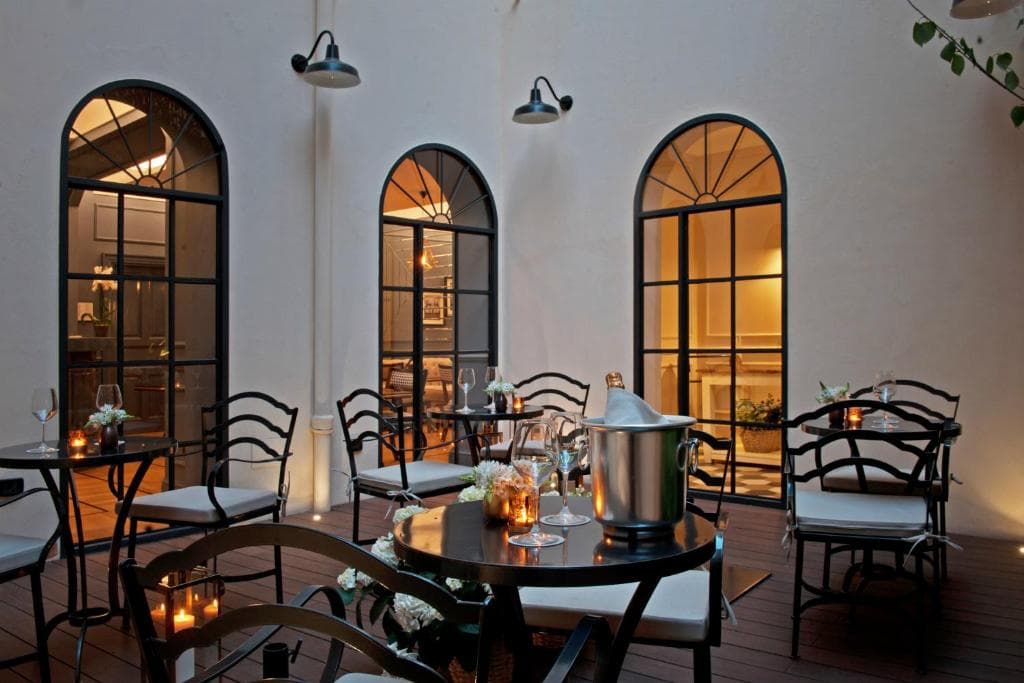
Condominio Monti Boutique Hotel is located in Monti, one of Rome's most delightful neighborhoods. It has a rooftop terrace and a good breakfast. Price indicative from 150 euros per night.
Villa della Fonte is situated in Trastevere, small and charming, within walking distance of the neighborhood's best streets. Housed in an 18th-century building with a lovely terrace. Price from 300 euros per night.
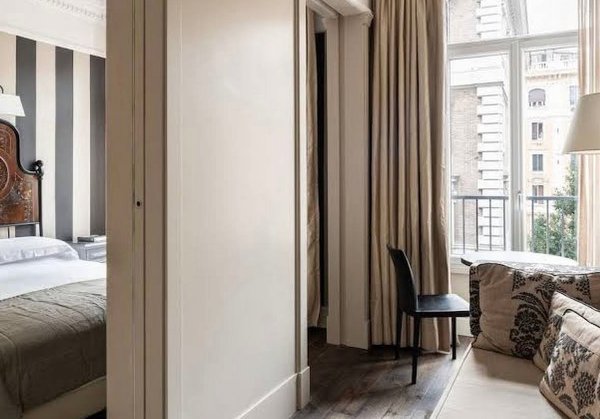
Casa Montani is one of the most beautiful small places in Rome: stylish, intimate, and with an unbeatable location. Flaminio Metro Station is at your doorstep. Located on the third floor of a stunning building. Price from 250 euros per night.
The Melograno Apartment is an option for an apartment (for those wanting more space and preferring a kitchen to a breakfast buffet). It has one bedroom and is perfectly located on the edge of Trastevere. From around 300 euros per night.
Prices are indicative and vary greatly by season.
Combining Rome with Umbria
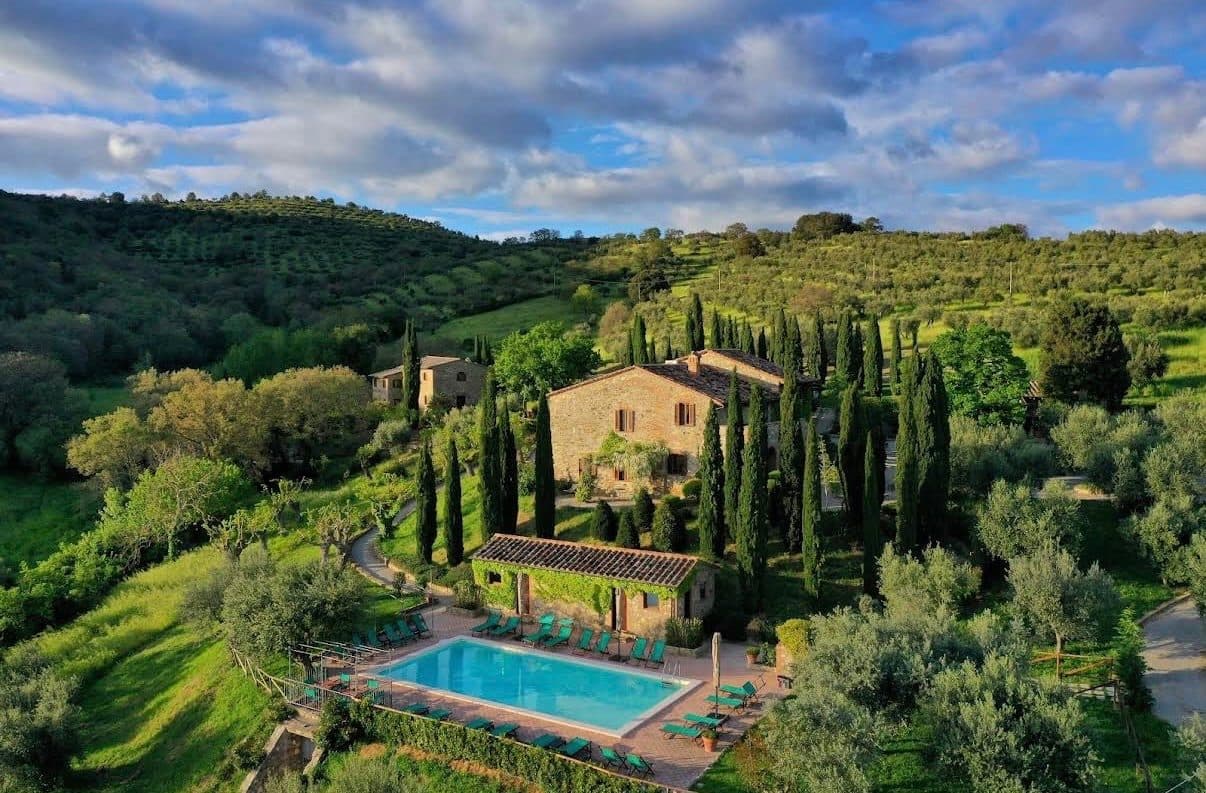
If you have a week after Rome, or if you're driving there: Umbria is just an hour and a half from the city. I took a round trip from Perugia via Lake Trasimeno to Orvieto, with Rome as the endpoint. Everything about that route can be found in my article on touring Umbria.
Frequently Asked Questions About 3 Days in Rome
Is 3 days enough for Rome?
Enough to feel the city and see the main attractions: yes. Enough to see everything: no. Rome demands multiple visits. But three well-planned days give you a solid picture of the city.
What is the best time for a city trip to Rome?
April, May, and September are ideal: good weather and still busy at highlights, but plan well. July and August are even busier and hot.
Do you need a car in Rome?
No. In the center, a car is more a burden than a convenience. Metro, walking, and occasionally a taxi are all you need. Or rent a bike.
How much does 3 days in Rome cost?
It mostly depends on your hotel and how many attractions you book in advance. You can make dining as expensive as you want. Tickets, tours, and a good hotel form the major part of your budget. Always reserve popular attractions in advance; last-minute tickets from third parties are often more expensive.