Umbria gently rests in Tuscany's shadow, and I find that quite lovely. Less see-and-be-seen, more charming hill towns, excellent pasta, and a glass of wine turning into an extended lunch. During my journey through Umbria, I visited Orvieto, Todi, Trevi, Spoleto, Assisi, and Perugia. Six diverse towns, surprisingly close together. Here are my favorites, including what you’ll want to see, where to enjoy a great meal, and where I’d recommend staying.
Assisi: What to Do, Eat, and Stay in Umbria’s Most Famous Town
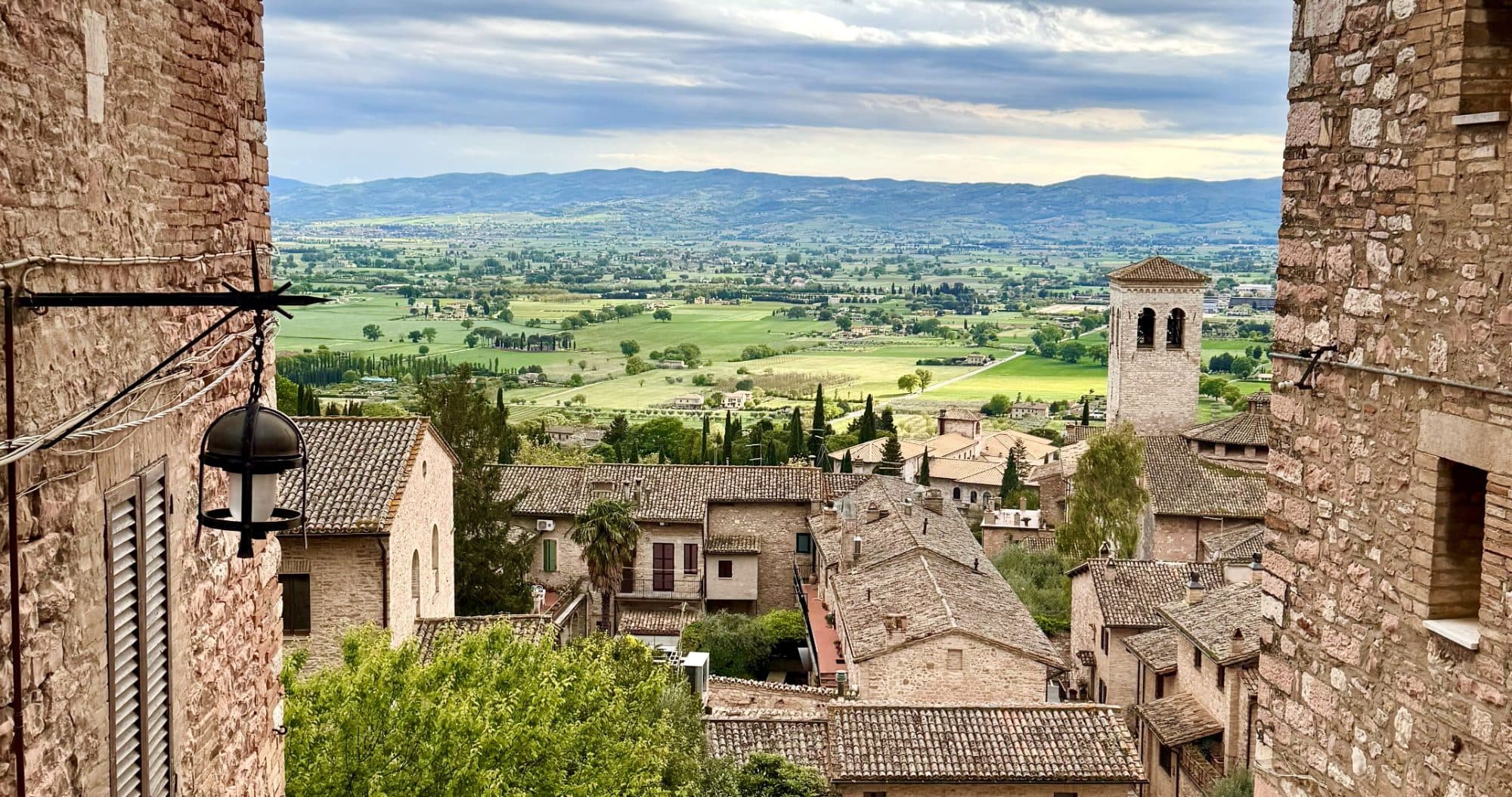
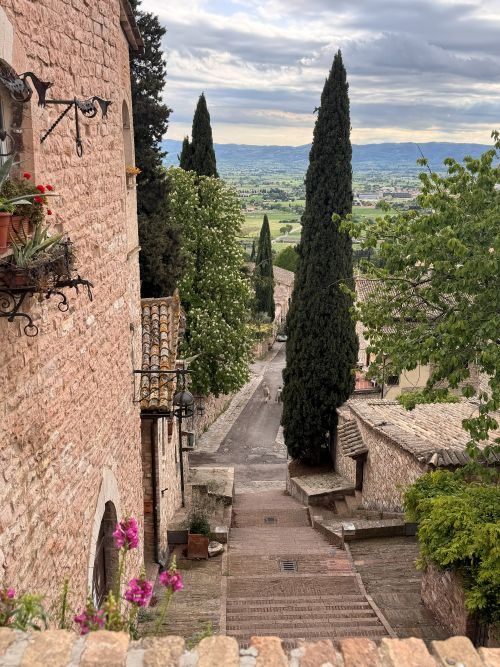
Assisi is the type of town you think you know before you arrive, yet it surprises. The Basilica di San Francesco is more beautiful than any photo suggests: the Giotto frescoes on the interior walls deserve more than a fleeting glance. You can also take a one-hour tour to learn more of the backstory. Then, head up to the Rocca Maggiore, the 14th-century fortress above the town, for the best views of the surrounding valleys. Shopping enthusiasts will enjoy Via San Rufino with its small shops offering handcrafted items, from art to books.
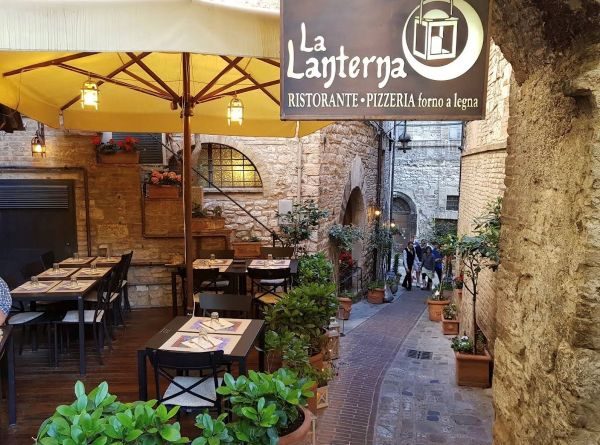
For dining, remember Borgo Antichi Orti, the restaurant of the hotel with the same name, near the center. Restaurant La Lanterna is great for pizza in the narrow streets, while Enoteca Mazzini (also in town) is for those who find wine as important as the food. Perfect with a platter of snacks.
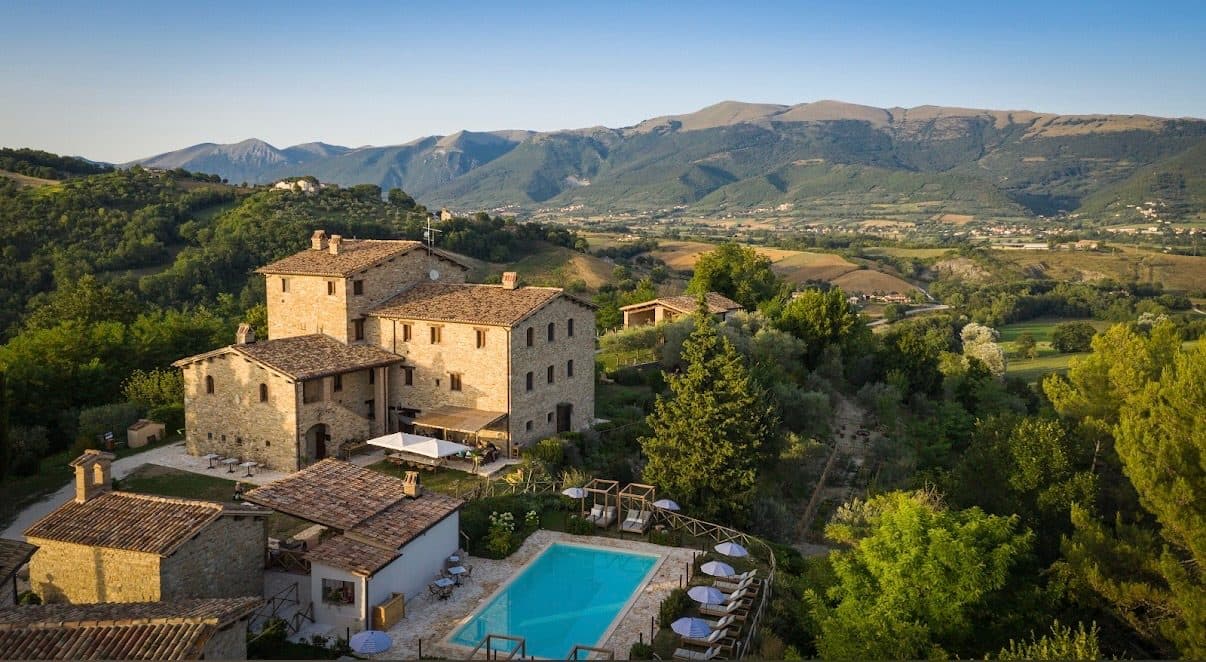
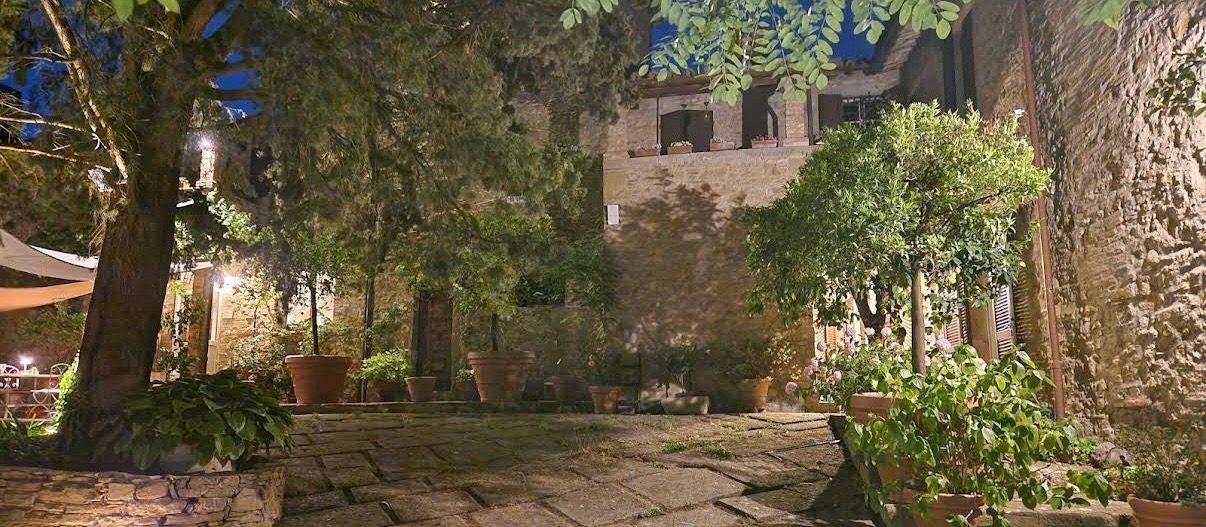
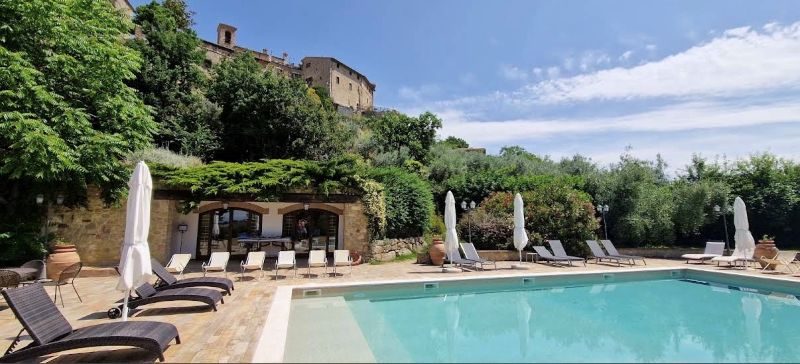
For accommodations, consider Aethos Saragano, centrally located between Assisi, Trevi, and Todi. A beautiful resort with apartments, a pool, a restaurant, and views. What more could you want?
For those who prefer a castle stay: I personally stayed at Borgo Castello Panicaglia, a restored castle between Assisi and Perugia with a fantastic breakfast and the tranquility you seek in this region. All details are in my detailed review.
Perugia: What to Do, Eat, and Stay in Umbria’s Livelier City
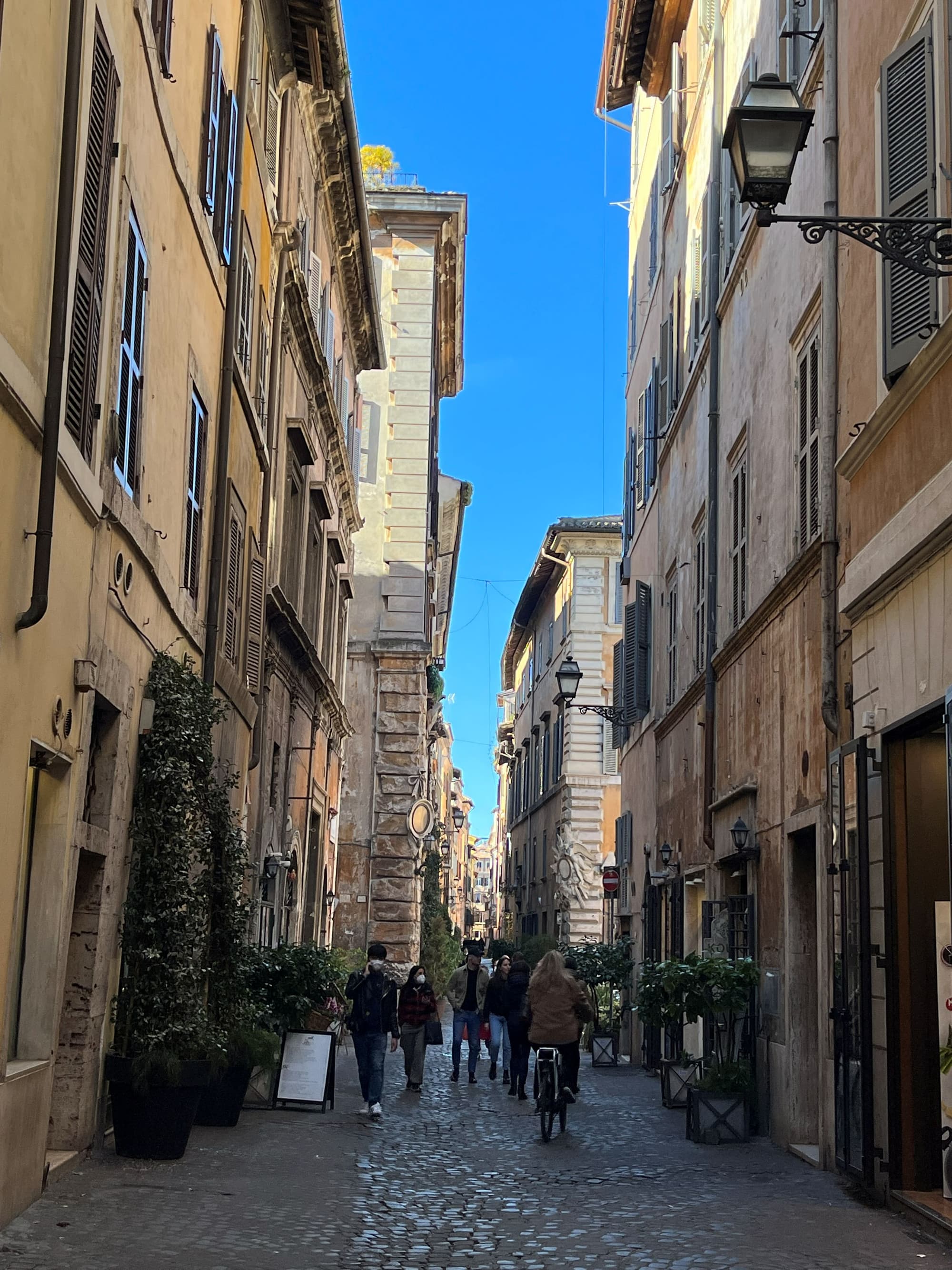
Perugia feels immediately different from the other towns on this route. Larger, livelier, and thanks to the university, far from sleepy. You wouldn’t come just for the beautiful buildings: it’s the combination of culture, terraces, and student life that makes Perugia enjoyable. The Galleria Nazionale dell'Umbria in Palazzo dei Priori is one of Italy’s finest regional collections, featuring works by Perugino and Pinturicchio. Then stroll along Corso Vannucci, the central boulevard, which transforms into a festival atmosphere during Umbria Jazz in July.
And don’t miss the Casa del Cioccolato for those who take Perugia’s chocolate tradition seriously.
Osteria a Priori is the best spot for excellent pasta and is just around the corner from the Galleria Nazionale. Augusta Perusia for chocolate and ice cream in the heart of the historic center, and Caffè Turreno for a classic breakfast with the paper.
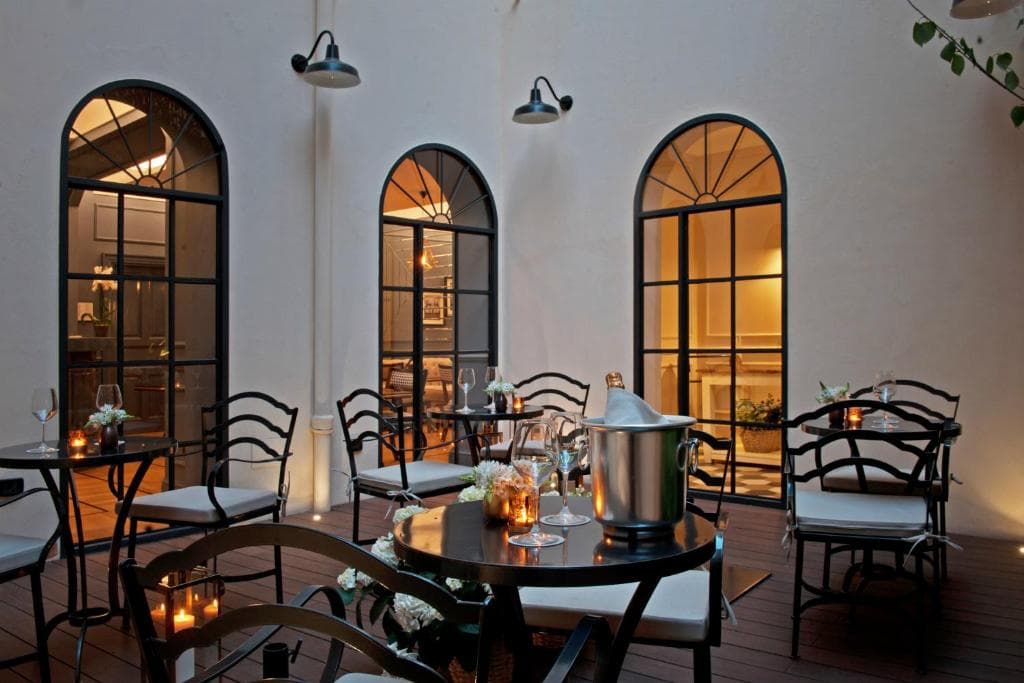
For excellent places to stay: Locanda della Posta located in the center of Perugia with a lovely terrace. They provide excellent extra service for parking your car. Alternatively, Relais Casamassima, a beautiful, authentic estate with phenomenal views.
Orvieto: What to Do, Eat, and Stay on a Tufa Rock
You can spot Orvieto from afar, perched atop a massive tufa rock. Once you’re up there, the town itself proves to be just as beautiful. The Duomo alone is worth stopping for: such a facade that you spend five minutes just staring before it occurs to you to enter. The sunlit mosaics are unforgettable. Climb the Torre del Moro for city views, and for those who enjoy underground adventures: Orvieto Underground reveals a maze of caves dug into the tufa plateau on which the city is built.
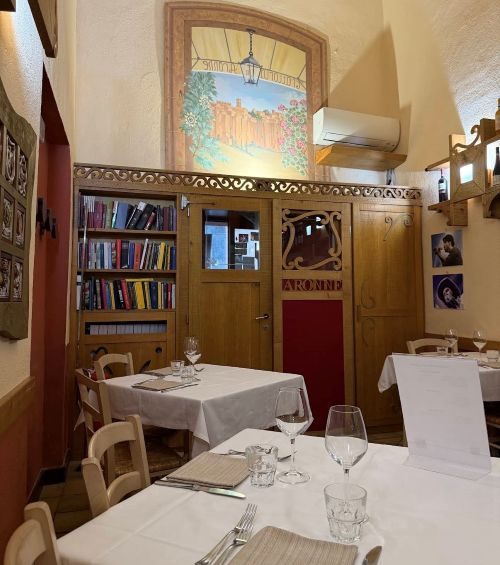
For dining, remember Trattoria del Moro Aronne: small, familial, and the kind of place where you come for the local cuisine, not the decor. At Bottega Vera, you can pick up local products and wine for a picnic, while Cantina Foresi is ideal for lunch or a glass of wine after your underground exploration.
For a stay: Locanda Palazzone, a restored estate just outside the city with onsite wine production and views that call you outside early in the morning. A charming and historic building, constructed in 1300.
Umbria is perfect for a road trip. We combined Perugia, Lago Trasimeno, and Orvieto and ended with two nights in Rome. A route I’d drive again: plenty of variety, without spending half your vacation in the car each day.
Spoleto: What to Do, Eat, and Stay in the Most Beautiful Town of Umbria
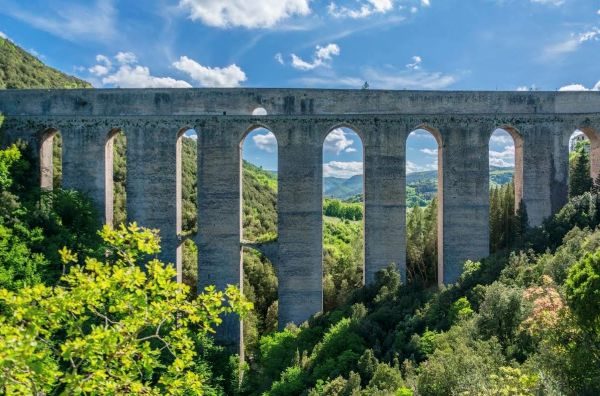
For many, Spoleto is Umbria’s most beautiful town, and after a visit, you’ll understand why. The Duomo di Spoleto features frescoes by Filippo Lippi, who is also buried here. But the real showstopper is the Ponte delle Torri, a Roman aqueduct 230 meters long and 80 meters high connecting two hills. It’s one of those moments where you stop and think: I didn’t expect this. Every year at the end of June, Spoleto also hosts the Festival dei Due Mondi, an international music and theater festival that completely takes over the city.
L'Osteria del Matto is the place for those who wish to eat like a local, with a real la Mamma in the kitchen. Gelateria IScream perfectly ends your day.
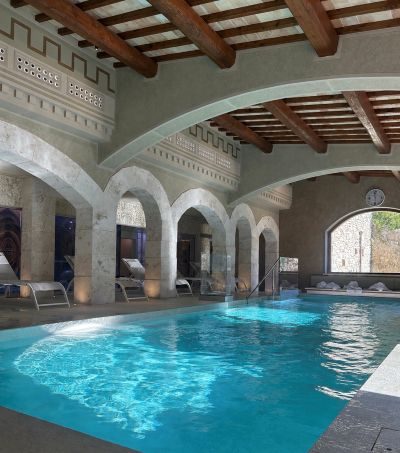
For accommodations: Torre del Nera Albergo Diffuso & Spa, a unique hotel spread out over a medieval hamlet in the Valle Nera, about fifteen minutes’ drive from Spoleto.
Todi: What to Do, Eat, and Stay at Four Hundred Meters Above Sea Level
Todi looks out over the Tiber Valley from four hundred meters above, and the views are impressive no matter where you look. The Santa Maria della Consolazione stands amidst greenery and is reportedly designed by Bramante: a Renaissance church that gives you pause. The Piazza del Popolo is one of Italy’s oldest squares and just the right spot for a coffee as the town wakes around you.
Grand Caffè Todi is suitable for a coffee or a light snack with excellent service. Vineria San Fortunato has the city's most beautiful terrace for an aperitif, and Caffè Belardi is a coffee roastery in a wonderful old building where four generations have brewed coffee.
Aethos Saragano is the logical choice for staying, centrally located for both Todi and the other towns on this route. This resort is 30 minutes from Perugia.
Trevi: What to Do and Eat in the Olive Queen of Umbria
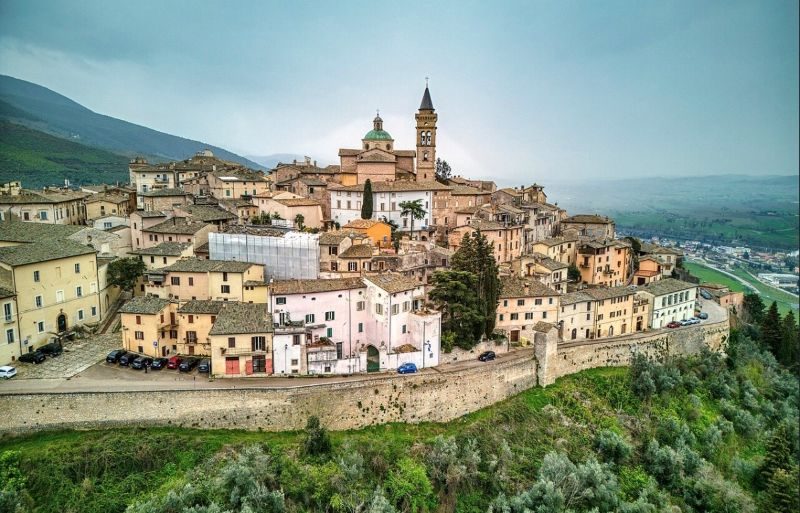
Trevi is rightfully called la regina degli olivi (the queen of the olives). The olive groves cover the slopes, and the olive oil produced here is among Italy’s best. The Palazzo Lucarini hosts modern art and temporary exhibitions, but the great pride hangs in the Chiesa di San Francesco: the crucifix by the Maestro del Crocifisso. The Museo della Civiltà dell'Ulivo tells the story of the olive from root to bottle. In autumn, when the harvest begins, Trevi becomes one big celebration. See more things to do in Trevi here.
The best way to taste Trevi is with a long lunch with fresh bruschetta, local olive oil, and a carafe of wine. The village is small, the pace is slow, and that’s precisely the point.
Aethos Saragano and Borgo Castello Panicaglia are both well-placed as a base for a day trip to Trevi.
Three Extra Tips for Your Road Trip Through Umbria’s Most Beautiful Towns
Cascata delle Marmore: one of the tallest waterfalls in Europe, near Terni, created by the Romans. The waterfall cascades down in three sections over a hundred meters and is most impressive when fully open. Check the opening times in advance as they vary by season.
La Scarzuola: hidden in Umbria’s hills lies this former abbey transformed into an imaginative theater-city by architect Tomaso Buzzi, full of ponds, steps, theaters, and fairy-tale buildings. Entry by appointment, children under twelve free.
Lago di Trasimeno: the largest lake in central Italy, half an hour from Perugia. Cycling along the shores, a boat trip to the islands, or simply sitting in one of the fishing villages as the afternoon passes. An ideal stop for those seeking a day without urban adventures. Check out the best hotels here.
Frequently Asked Questions About Umbria’s Most Beautiful Towns
Which town in Umbria is most worthwhile?
That depends on what you’re looking for. Assisi for religious history. Orvieto for architecture and location. Spoleto for culture and beauty. Todi for tranquility and views. Perugia for those who want a touch of the city. And Trevi for those seeking olive oil and peace.
How long do you need for a road trip through Umbria?
A week is a good minimum to visit all six towns leisurely. Distances are small, and with a car, you’re quick. If you have more time, consider adding Lago di Trasimeno.
What is the best season to visit Umbria?
May and September are ideal. Good weather, less crowded than August, and nature at its finest. In autumn, there’s the olive harvest and truffle season, making the region extra attractive for foodies.