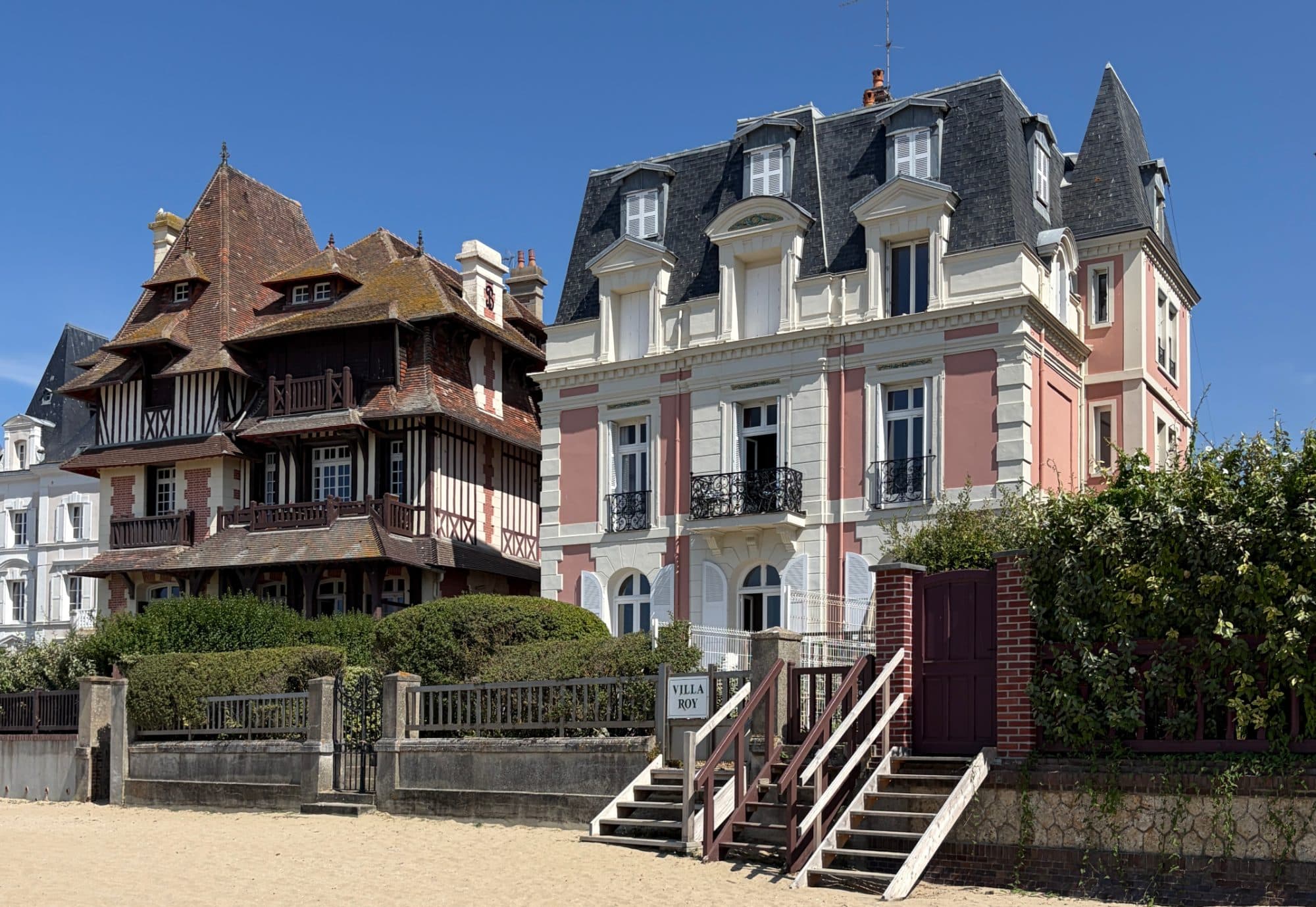
Île de Ré lies off the coast of La Rochelle, connected to the mainland by a bridge, enveloping you in a bubble, much like Zeeland or Vlieland. White houses with blue shutters, fishing harbors, salt marshes, miles of bike paths, and Atlantic coastline make it a gem worth visiting in both July and September. The island is small, making it a true cycling haven where everyone rides a bike. Here are my top tips.
La Flotte: One of the Most Beautiful Villages in France
La Flotte is located in the northeast and is officially listed among France's most beautiful villages, easy to see once you view the harbor. Colorful boats, white homes, a church, and a market that fills the square on Tuesdays and Thursdays. Nearby are the ruins of the Abbaye des Châteliers, a 12th-century abbey just a five-minute walk away. For dining nearby, Chez Raph is locally renowned for honest seafood dishes served in a relaxed setting.

Saint-Martin-de-Ré: The Heartbeat of the Island
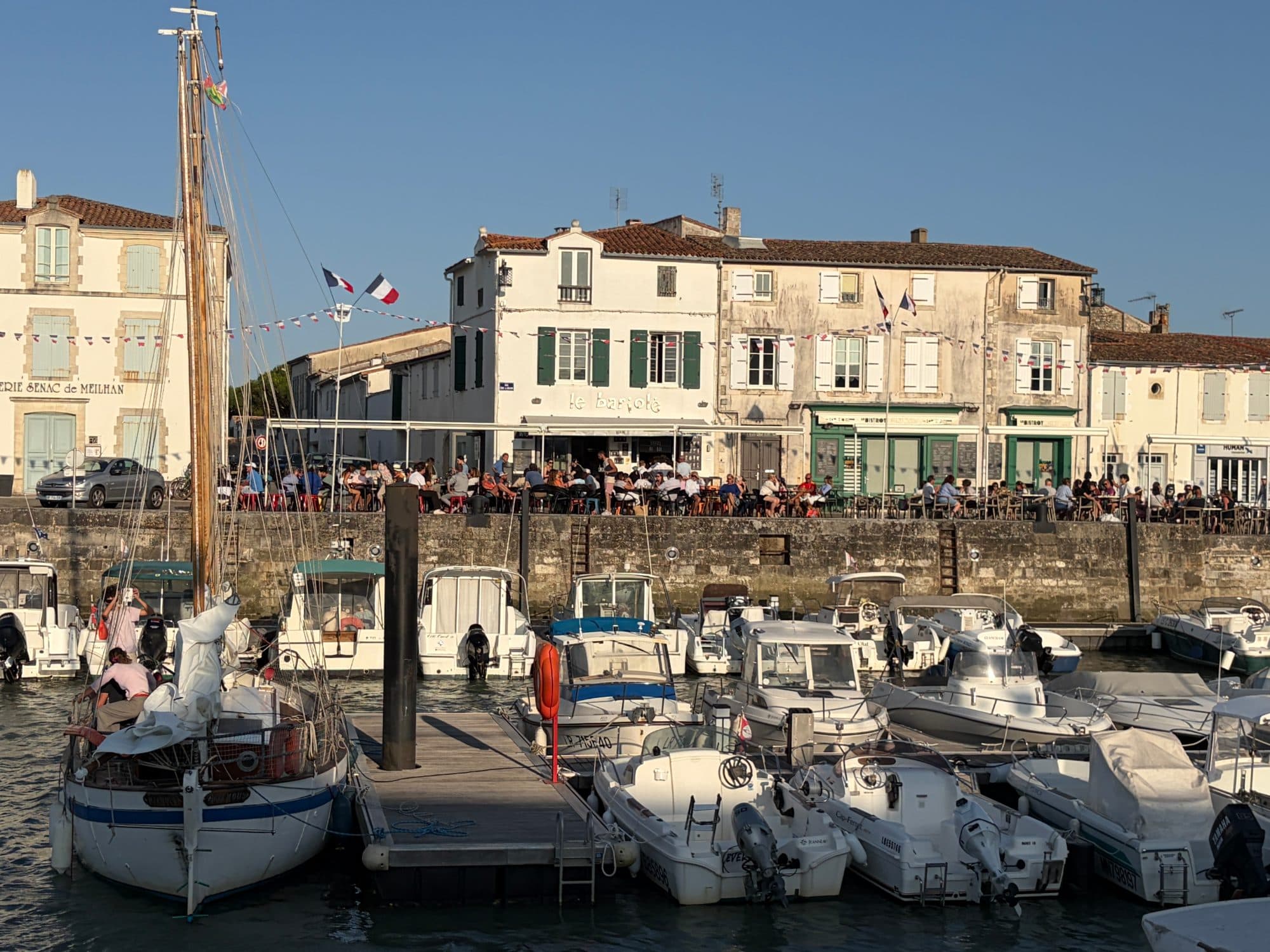
Saint-Martin-de-Ré is the island's capital with everything you'd expect from an Atlantic town, plus a little extra. The Vauban fortifications, a 17th-century military structure, encircle the city and are UNESCO World Heritage since 2008. The harbor is vital, bustling with terraces, seafood restaurants, market stalls, and boats ensuring you feel there's no better place to be.
Beaches of Île de Ré: Wide, Serene, and Atlantic
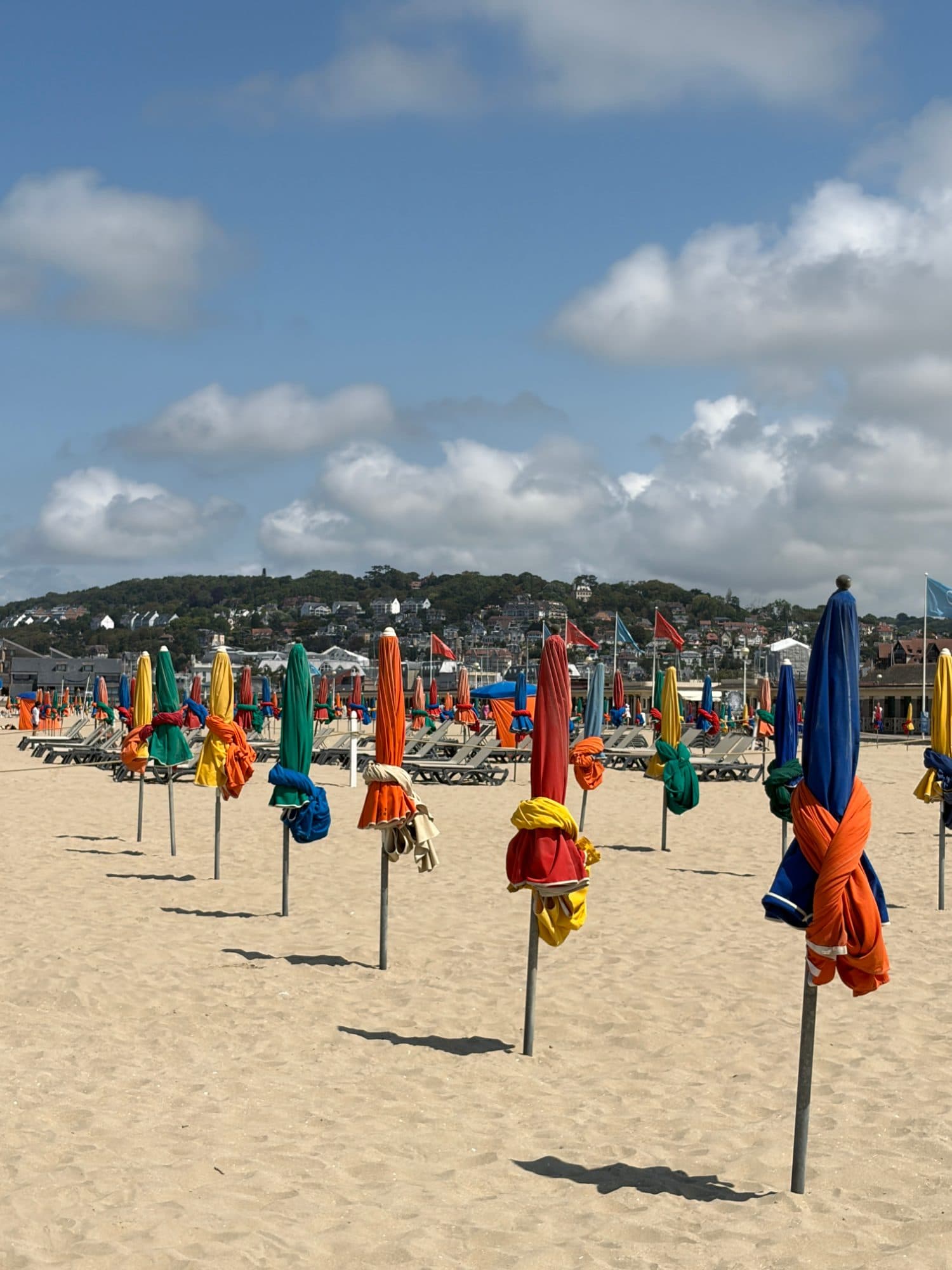
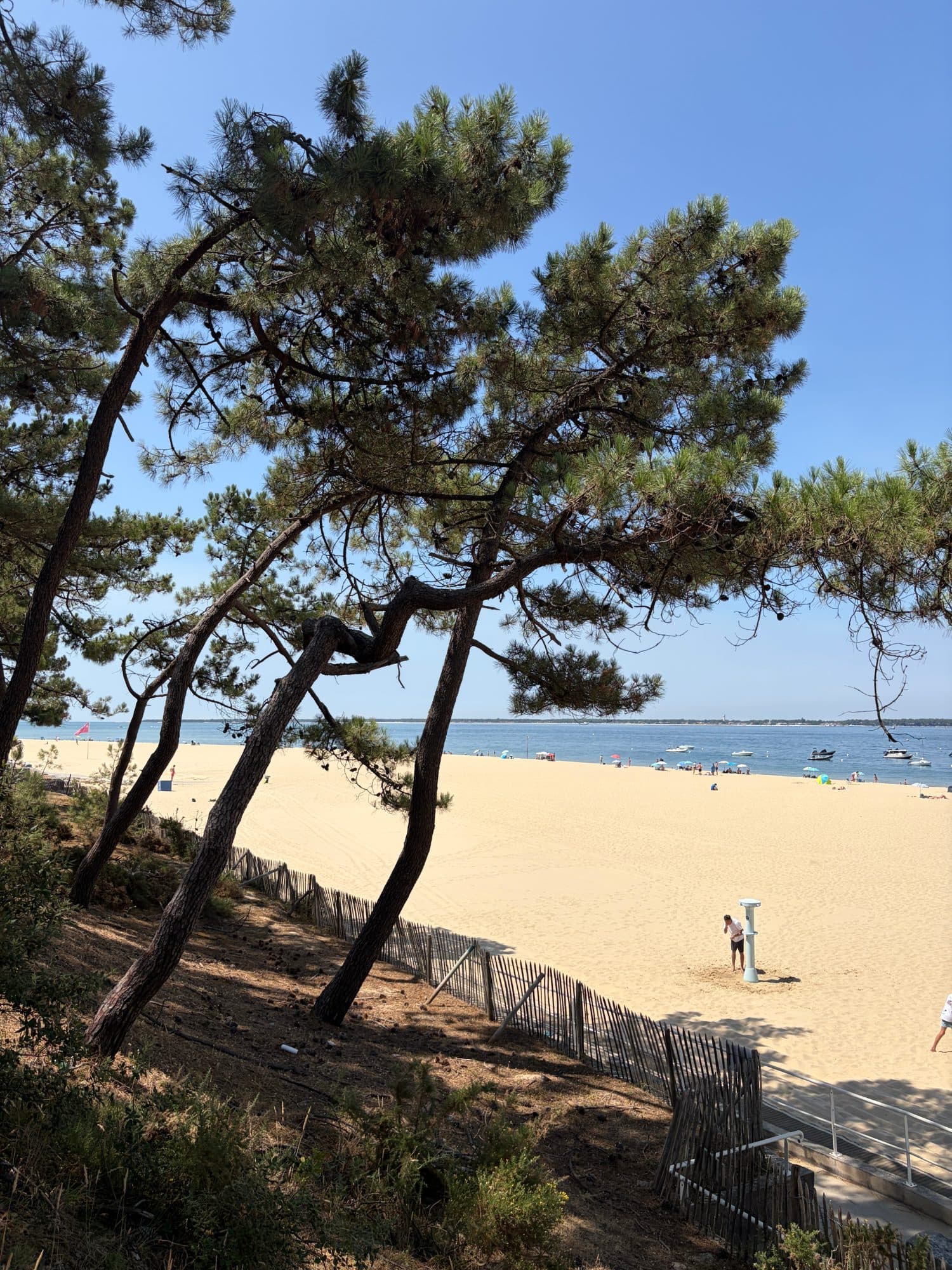
The beaches of Île de Ré are unlike those of the Mediterranean: broader, wilder, with unexpected waves. On the southern coast, you'll find the longest beaches, including Plage de Gros Joncs at Le Bois-Plage-en-Ré, stretching six kilometers and never feeling crowded. The Beach Bar Île de Ré is a great reason to linger by the shore: a beach bar offering more than just croque-monsieur. Check here for top surfing spots. On the northern coast, the beaches are narrower but quieter.
Phare des Baleines: To the Island's End
At the island's most westerly point stands the Phare des Baleines, a 57-meter lighthouse you can climb. At the top, gaze out across the Atlantic Ocean in three directions and understand why this has long been a crucial beacon for ships. The name refers to the whales once sighted in these waters. Surrounding the lighthouse are dunes and forests ideal for walking. The lighthouse also hosts a small museum on the history of the light.

Le Bois-Plage-en-Ré: The Island's Inviting Center
Le Bois-Plage-en-Ré is nestled in the middle of the island, emanating a village charm less formal than Saint-Martin. Local shops, a market, a historic church, and access to the lengthy Gros Joncs beach make it appealing. It's also an excellent starting point for bike rides through the surrounding salt marshes and forests. Les Bois Flottais is a hotel located here, with its restaurant and two heated pools, beautifully situated between village and beach.
Cycling on Île de Ré: The Best Way to See the Island
Île de Ré offers over a hundred kilometers of bike paths weaving across the island. With no steep terrain and no dense traffic on the paths, you’ll smoothly pass salt marshes, villages, and beaches. Bikes are available for rent in every village. The route along the southern coast, from Saint-Martin via Le Bois-Plage to the west, is one of the island's most beautiful day rides. Schedule a stop at the lighthouse, and cycle back along the northern coast for a complete island experience. Rent a bike at Holland Bikes in La Couarde sur Mer. While there, enjoy lunch at La Cabine de Bain.
The Salt Marshes: Île de Ré's Tranquil Heart
The island's western section is dominated by salt marshes where salt is harvested as it has been for centuries. The landscape is flat, serene, and teeming with birds. The Écomusée du Marais Salant in Loix explains the salt harvesting process and offers tours of the marshes. Île de Ré's salt, particularly the fleur de sel, is a local treasure you'll find in shops to bring home. Near the western marshes, you'll also find Le Jardin des Portes (adults-only bed and breakfast), perfect for those seeking nature over the bustle of Saint-Martin.

🎟️Discover more activities on Île de Ré
Oyster Farming on Île de Ré: An Island Tradition
Alongside salt production, oyster farming is another pillar of the island's economy. Numerous oyster farmers produce thousands of tons annually, contributing significantly to France's national output. Raised initially in the open sea and matured in shallow clay basins called claires, a visit to Île de Ré without tasting oysters is a missed opportunity. Visit one of the seaside oyster shacks for fresh samples with a glass of wine. Three must-visit spots: Re Ostrea in Saint-Martin-de-Ré, Les Copains Bâbord with sea views, and La Cabane du Feneau nestled in the marshes between La Couarde and Loix.

Île de Ré: Resting Your Head
For a splendid stay: La Baronnie and Villa Clarisse are two luxurious choices in Saint-Martin de Ré within the city's walls. Or try Hotel de Toiras with its stunning harbor location and delightful terrace. Slightly more affordable is Les Bois Flottais in Le Bois-Plage-en-Re. These are little white cottages set around a pool and restaurant. Further west, stay in Ars en Re at Le Senechal. Most rooms boast sea views. A small pool, but great vibe and location.
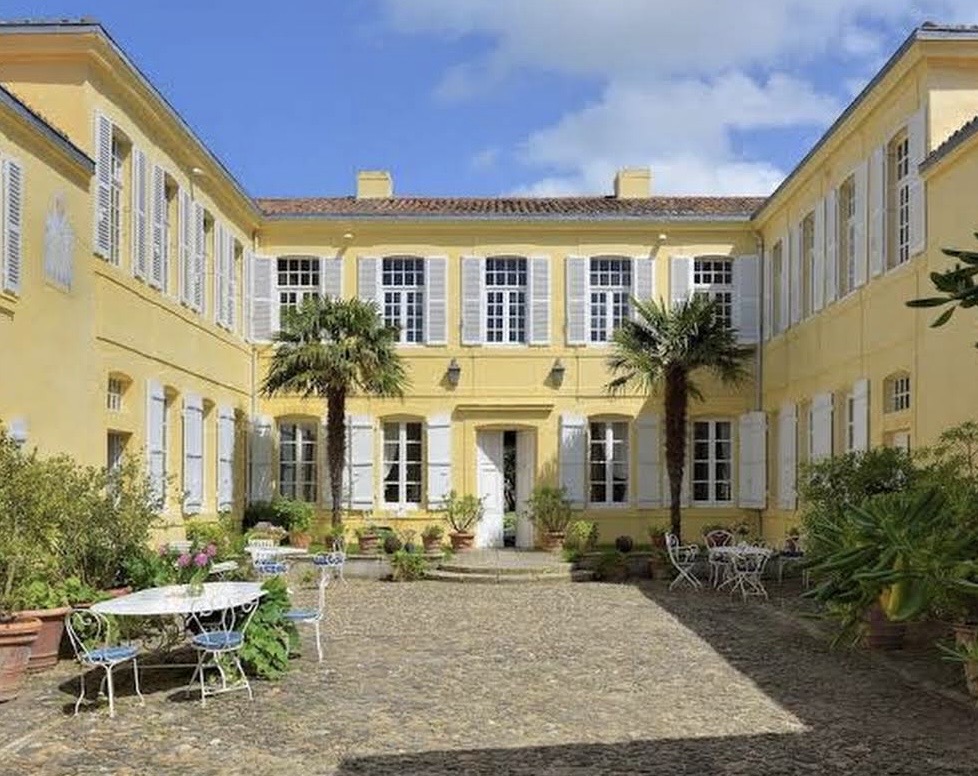
🏨 Explore all hotels on Île de Ré
Île de Ré: Where to Eat?
Dine in Saint Martin de Re at Le Bordin Zinc or O Parloir. Le Bordin Zinc is a bit away from the harbor, avoiding the tourist rush. O Parloir is more upscale, offering a French menu beyond the standard (with hummus, tataki, and gnocchi). In La Couarde-sur-Mer, you’ll enjoy La Cabine de Bain (small tapas). Cycling from Ars en Re to La Couarde, you'll pass La Rhetaise for oysters or mussels. The best bread is found at Au Pain Marin in Le-Bois-Plage.

In La Flotte, dining at Raph is a must. I found it truly adorable, with a lovely patio and delicious food. My favorite!
Île de Ré: Who Is This Island Best For?
Île de Ré is ideal for those who love cycling, enjoying good food, and valuing a harbor terrace over a bustling tourist hub. Saint-Martin-de-Ré offers central convenience with everything in walkable distance. La Flotte suits those who prefer a quieter, smaller village. Le Bois-Plage is perfect for beach enthusiasts. And for those wanting to feel the island rather than just see it, the salt marshes and lighthouse are a must. June and September are optimal months: great weather, minimal crowds, and lively restaurants.
For those wanting to explore more of France's coast after Île de Ré, there's no rush to head south. Honfleur in Normandy offers a wonderfully different coast, and it's equally worthwhile. Discover my tips for sights, dining, and staying in my Honfleur article.
Frequently Asked Questions About Île de Ré
How do you get to Île de Ré?
Île de Ré is linked to La Rochelle via a three-kilometer bridge. Drive right over it. From the Netherlands, it's approximately a ten to eleven-hour drive. The nearest airport is La Rochelle-Île de Ré.
When is the best time to visit Île de Ré?
June and September are ideal. The weather is pleasant, beaches aren't overcrowded, and local restaurants and shops are bustling. July and August are busier and pricier.
Do you need a car on Île de Ré?
Not necessarily. A bike is often a better choice, especially for exploring the island's interiors. The larger villages are easily accessible by bike with plenty of rental options.