Montmartre may well be the most famous district of Paris. The artistic quarter sits on the highest hill in the city and is renowned for the Sacré-Cœur, Place du Tertre, winding streets, and iconic cafes like Le Consulat and Maison Rose. In this comprehensive guide, I share my favorite restaurants, hotels, hidden spots, and practical tips for discovering Montmartre without getting trapped in the biggest tourist crowds.
What is Montmartre?
Montmartre is located in the 18th arrondissement and is Paris’s most famous artistic quarter. At the top of the hill stands the iconic Sacré-Cœur, while the Moulin Rouge graces its base. Between them lies a district that has drawn artists, writers, and dreamers for more than a century. Picasso, Van Gogh, and Renoir lived here when rents were low, and the extraordinary light over the city inspired artists. That bohemian atmosphere hasn't entirely vanished. There's still a vineyard on the slope, the streets are narrow and winding, and many façades conceal unique stories.
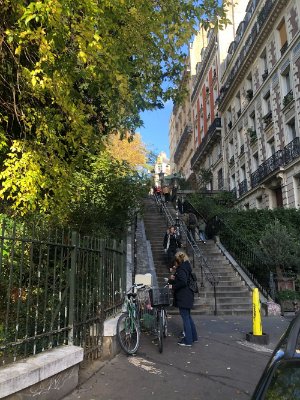
Place du Tertre: The Painters' Square
Place du Tertre is Montmartre's most famous square, filled with artists creating portraits and offering their work for sale. Touristy? Yes, but undeniably Montmartre. Stroll through, see what's on display, and purchase something if it moves you. The cafes around the square aren't the district's best, but they're fine for a coffee and a seat with a view of the square. I'd recommend going early.
The Vineyard of Montmartre
Just below the Sacré-Cœur, nestled on a slope, lies a vineyard. Vignes du Clos Montmartre has existed since the Middle Ages, disappeared, and was replanted in 1933. Each October, the harvest is celebrated with a festival, which I stumbled upon once by chance. You can visit for a wine tasting, though the vineyard is also visible from the street.
The Sacré-Cœur: Montmartre Paris from Above
The Sacré-Cœur graces Montmartre's highest point and is visible from afar. The white basilica, dating from 1914, offers the city's best free view. It's wise to visit early: later in the day, vendors and crowds gather here, which you'd rather avoid. The church is freely accessible, as is the dome. Take the stairs or the funicular, both are worthwhile. It’s an extra delight to spend a night in the guesthouse of the Sacré-Cœur.
Maison Rose: The Pink House Everyone Photographs
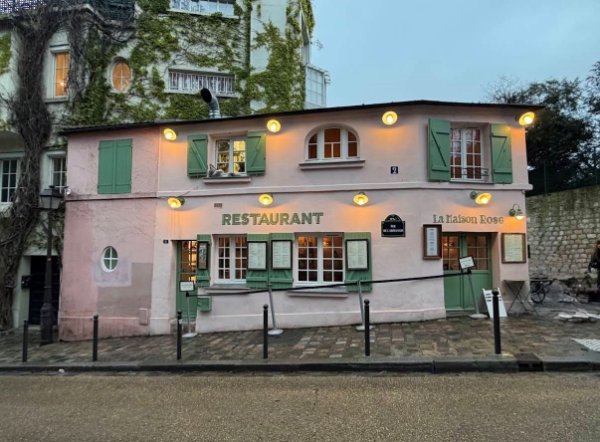
Maison Rose is a small pink restaurant at the corner of Rue de l'Abreuvoir and Rue Norvins, one of Montmartre's most photographed spots. Its pink façade, ivy, and cobblestones are hugely photogenic. The restaurant serves simple French dishes, but most visitors come for the exterior.
Au Lapin Agile: Paris's Oldest Cabaret Club in Montmartre
Au Lapin Agile has been around since the 19th century and has welcomed virtually every major figure in Paris's art world. Picasso once paid his bill with a painting. The small venue offers an evening program of chansons, poetry, and humor, with an atmosphere akin to a café where people gather because they have nowhere else they'd rather be. Reserve in advance.
Hôtel Particulier Montmartre: For a Meal or a Night
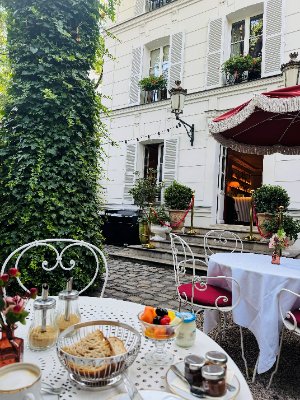
Hôtel Particulier is one of Paris’s most beautiful and intimate hotels (accessed by ringing a bell at a gate and then climbing stairs): a private mansion converted into a hotel, with an incredibly beautiful garden. You don’t have to stay overnight to dine there. The restaurant alone is an experience; the combination of interior, garden, and cuisine makes it one of Montmartre’s most unique spots.
Le Consulat: The Icon of the District
Le Consulat stands at a junction in Montmartre’s old streets, making it photogenic (like Maison Rose). Van Gogh and Monet visited here. The façade is recognizable, the interior is exactly what you'd expect from a French bistro that has occupied the same spot for decades. I wouldn't eat here as the cuisine isn't great, but I can recommend having a drink.
Rue Lepic: The Street That Connects Everything
Rue Lepic is Montmartre's main market street and the best way to get to know the neighborhood. Walk from the base of the hill past bakeries, vegetable stalls, and some of the area’s best spots. At Number 54, Theo van Gogh once lived, with whom Vincent stayed in 1886. Halfway up the street stands Moulin de la Galette, one of Montmartre’s last windmills, now a restaurant. Take your time on this street.
Foodwalk in Montmartre: Tasting the Neighborhood with a Dutch Guide
For those who want to discover Montmartre and enjoy good food simultaneously, a foodwalk with Walking and Talking Tours is ideal. The tour starts at the Moulin Rouge and winds up Rue Lepic and Rue des Abbesses to Place du Tertre and the Sacré-Cœur. Along the way, you stop at local spots for authentic French tastings. The guides are Dutch, live in Paris, and know the district inside out. The tour lasts one and a half to two hours, suitable for all ages, and costs from 33 euros per person. Mention you came through me when registering, and you'll pay 30 euros. Read more here.
Discover more things to do in Montmartre here.
Eating in Montmartre Paris
L'Almanach is one of the district’s better bistros: a seasonal kitchen, good wine list, and an atmosphere that doesn’t play to the camera. La Marmelade is the place for a breakfast that sets the rest of your day right, with fresh products and a serene interior. Le Coq & Fils is a classic for poultry lovers, executed with French precision. La Mascotte Montmartre is the neighborhood brasserie: large, noisy, full of locals returning weekly for seafood. Sobremesa is a wine bar for those craving a good glass and small Asian tapas to end the evening.
All the Montmartre addresses I always recommend are also on my Google Maps map of Paris, alongside hotels, cafés, and everything I consider worth visiting in the city. Open it on your phone and always know where to go.
Staying in Montmartre Paris
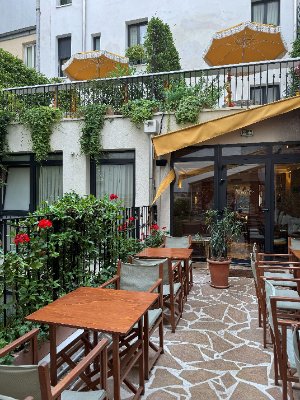
Hotel Monsieur Aristide is small, stylish, and has a little back patio. Terrass Hotel has a rooftop terrace with stunning views over Paris, justifying the stay. Timhotel is the dependable middle-range option: well-located, fair pricing, no surprises. Hotel Eldorado is the quirkiest on this list: bohemian, personal, with a courtyard garden that makes you forget you’re in a city.
View all hotels in Montmartre here.
Montmartre Paris: Who is the District Most Suitable For?
Montmartre is perfect for those wanting to experience Paris without a plan. For those who stroll to the Sacré-Cœur early in the morning as the city awakens. For those who prefer an evening at Au Lapin Agile over a bustling restaurant. For those who wander Rue Lepic without haste. While touristy, the district offers enough to see past it, but choose your timing carefully. Go early, stay long, and dine at Hotel Particulier if you do just one thing.
Interested in another Paris neighborhood? Discover what you can do in Quartier Latin here.
Frequently Asked Questions About Montmartre Paris
How do you get to Montmartre?
The best metro stations are Blanche, Anvers, and Abbesses. Blanche is close to the Moulin Rouge, Anvers and Abbesses are handy for visiting the Sacré-Cœur. From Anvers, you can also take the funicular, a cable car that takes you to the top in minutes.
Is Montmartre safe?
The district is manageable during the day. Around the Sacré-Cœur, vendors can be pushy. Keep your belongings close and walk on if you're not interested.
When is Montmartre the quietest?
Early morning, before nine o’clock. That's when the streets are empty, the bakeries just open, and Place du Tertre is nearly deserted. It's the best time to wander.