A few days in the Champagne region seems straightforward: book some champagne houses, drive from Reims to Épernay, and done. In reality, there's so much choice that a bit of preparation is not a luxury. I visited the area myself and gathered the addresses I loved, from champagne houses and restaurants to lovely spots to sleep. Plus my tips for spacing out your days so you don't rush from tasting to tasting.
The Champagne Region Briefly
How many days: at least 2, ideally 3 days
Best base: Épernay because it's smaller, more charming, with a focus on champagne houses
Car needed: yes, especially for vineyards and small producers outside the cities
Reserve champagne houses in advance: definitely for the big ones, do this before you leave
Tastings per day: two is nice, leaving time for a lunch, a vineyard drive, or just sitting with a glass and doing nothing
Best travel time: May to October, with September and October for the harvest
What Would I Do in the Champagne Region?
This isn't about "what's there to do" but "what would I choose if I have three days". And these aren't always the most obvious choices.
Visit a Champagne House, but Choose Wisely
A cellar tour is a different experience than just having a drink. You see how mousse forms, how bottles are turned, and what lies beneath Reims and Épernay. But three tastings in one day is unnecessary. I'd plan two, with enough time for a leisurely lunch.
The difference between a big house and a small producer is significant. The large houses like Moët & Chandon, Veuve Clicquot, and Taittinger are impressive but also more touristy. The small producers are more personal and give you a sense of the craft. If I only had one day, I'd spend the morning at a large house for the scale and impression, and the afternoon at a small producer for variety and authenticity.
Explore Reims, as a Stopover on the Way
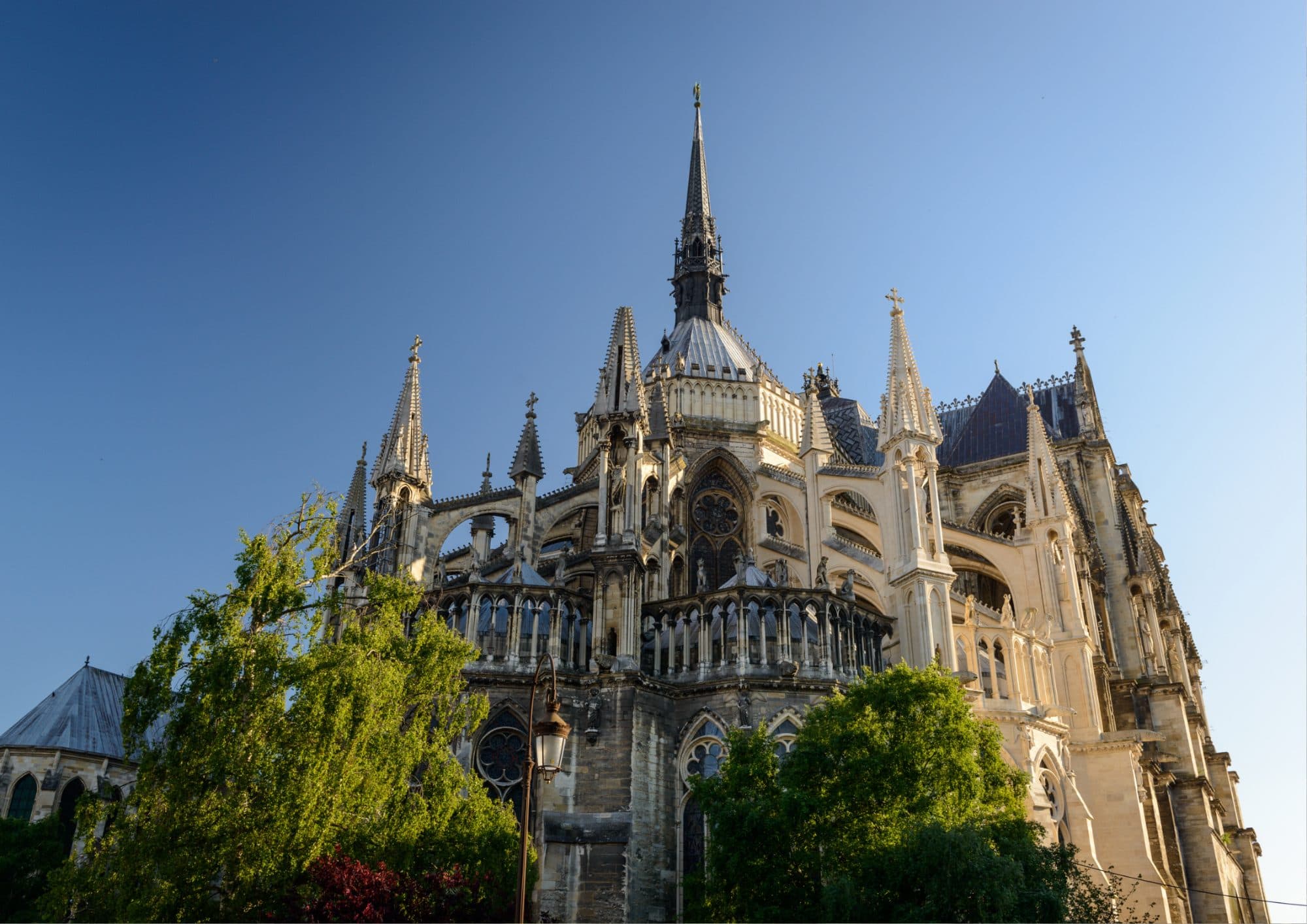
Reims is larger than Épernay and more focused on culture and architecture. The Reims Cathedral, where French kings were crowned, is one of France's most beautiful Gothic buildings. My advice: stop in Reims on the way for a lunch and visit one champagne house, like Ruinart or Taittinger. Then drive on to Épernay, where you'll stay.
Head to Épernay and the Avenue de Champagne
The Avenue de Champagne in Épernay is estimated to have over 200 million bottles of champagne aging beneath it. Walking down this street with grand facades on either side has a theatrical feel that no other champagne village offers. The town is small and charming, everything is within walking distance, and the focus is entirely on the champagne houses. That's precisely why I would stay here.
Drive Through the Vineyards
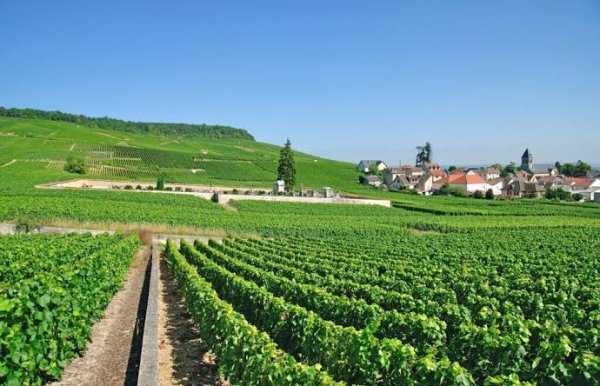
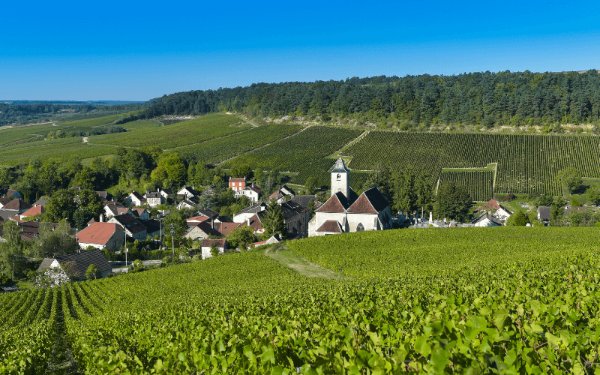
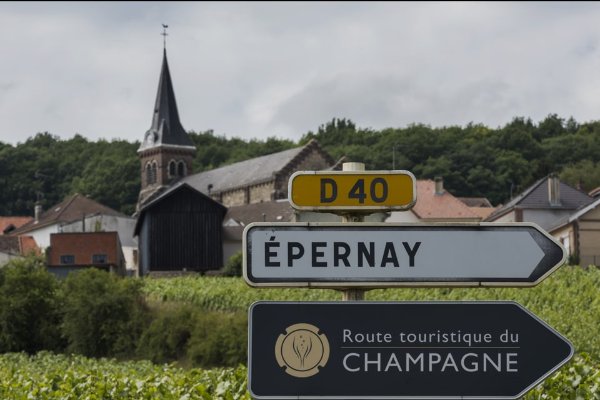
The Route Touristique du Champagne is the best way to see the region. Through the hills of Montagne de Reims, past Côte des Blancs, through tiny villages with vineyards touching the houses. It's not spectacular in a mountainous sense, but it has a quiet, green beauty you won't see from a champagne house.
Hautvillers is the little village on the hill you'll encounter: narrow streets, vineyards, and the abbey where Dom Pérignon is said to have worked. A short stop for an hour is really enjoyable.
Which Champagne Houses Are Worth It?
There are so many champagne houses, you couldn't possibly visit them all. Nor need you. These are the ones I'd choose, based on the experience you're after.
In Épernay
Moët & Chandon. The most visited champagne house on the Avenue de Champagne, and you can tell. But for a first introduction to the scope of the Champagne region, it's a logical choice. The cellars are impressive, and the house's story is compelling.
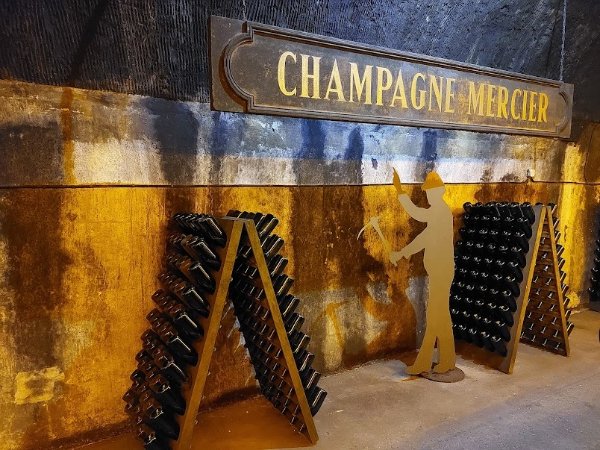
Mercier. Also on Avenue de Champagne, and a slightly more accessible alternative to Moët & Chandon. Part of the tour is by train through the cellars, making it a more fun experience for those who enjoy a bit of spectacle.
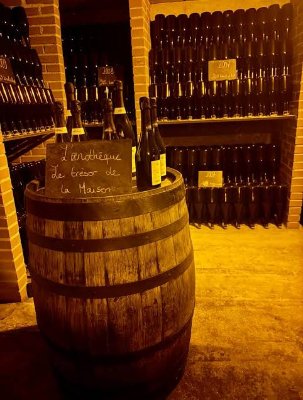
Champagne Vincent d'Astrée. A small producer in Côte des Blancs near Épernay. Personal, easy to book via their website, and a very different experience from the big houses. For those wanting to understand why someone would devote their life to champagne.
In Reims
Taittinger. One of the most beautiful cellar tours in Reims, in a former abbey with Romanesque cellars. Impressive in scale but more personal in tone than some other large houses. Great for those interested in the combination of history and champagne.
Veuve Clicquot. One of the most famous names worldwide, and the cellar tour lives up to that reputation. It's large and touristy, but the cellars are spectacular, and the story of Madame Clicquot is fascinating on its own.
Pol Couronne. A smaller champagne house in Reims with a more personal touch than the big names. Perfect for those wanting a taste of the artisanal alongside a big house.
If you only visit one champagne house, I'd choose Taittinger in Reims: the combination of Romanesque cellars, the house's story, and the quality of the tasting is unmatched.
Coming by train and don't have a car? There's a half-day tour from Reims that takes you to Épernay, along Avenue de Champagne. You'll also visit Hautvillers and 2 family wineries. Handy if you want to see the region without driving yourself. Check out the tour →
Reims or Épernay: Where's Best to Stay?
Choose Reims if you want to do more than just visit champagne houses, enjoy a real city with restaurants, shops, and a cathedral you can't see in minutes, or are coming by train from Paris.
Choose Épernay if you want champagne as your main focus, the Avenue de Champagne as your base, and prefer a narrower focus.
My choice: I stay in Épernay. The town is smaller and more charming than Reims, and the focus is entirely on the champagne houses. On the way, I stop in Reims for lunch and one champagne house. Reims is lovely, but as a base, Épernay fits this trip better.
Where to Stay in the Champagne Region?
No large hotel list, but a selection that fits Mapped by Carole.
Épernay and Surroundings
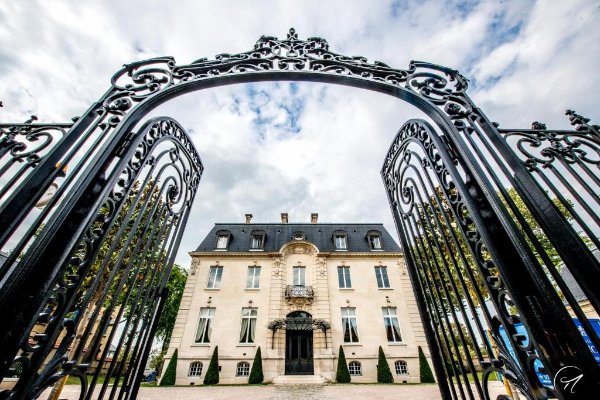
Les Suites BB du Champagne de Venoge. A charming B&B with a few suites directly on Avenue de Champagne. Perfect for parking. A unique way to experience the region. Prices from 320 Euros per night. Check prices for your dates →
Résidence Champenoise Lancelot Rouyer. An apartment in the center of Épernay, with a well-equipped kitchen and a sofa bed (in addition to a separate bedroom). Free parking and 2 bicycles. Perfect for families. Price from 210,- p/n. Check prices for your dates →
Apartment Centre Épernay with Balcony. Recently fully renovated apartment for 4 people in Épernay. With a view of a large garden. Quiet yet central. Beautifully furnished and free parking. Price from 300,- p/n. Check prices for your dates →
La Cave de l'Avenue de Champagne. A B&B right on Avenue de Champagne, a 5-minute walk from the Épernay train station. It has a garden and a lovely terrace. Price from 160 Euros p/n. Check prices for your dates →
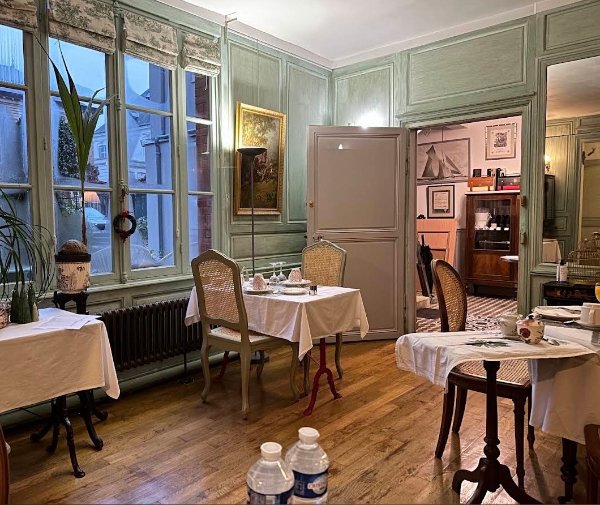
Au Jeu de Paume. A charming B&B with 5 rooms on the edge of Épernay's center, free parking available. Atmospheric and small-scale, with lots of art on the walls. From 200 euros per night. Check prices for your dates →
Reims and Surroundings
Demeure Belle Epoque is a B&B in the center of Reims. A charming small spot with a small garden and spacious rooms. Prices from 120 Euros per night. Everything is within walking distance in Reims. Check prices for your dates →
Château de Sacy. A château among the vineyards outside Reims, for those wanting to truly experience the region and avoid sleeping in the city. One of the nicer addresses in the Reims area. With countryside views. Prices from 450,- per night. Check prices for your dates →
Les Suites Champenoises. A chambre d’hôtes in the vicinity of Reims (10 minutes drive), ideal for those seeking something more personal than a city hotel. It features 2 suites (suitable for 4 people). From 230 Euros per night. Check prices for your dates →
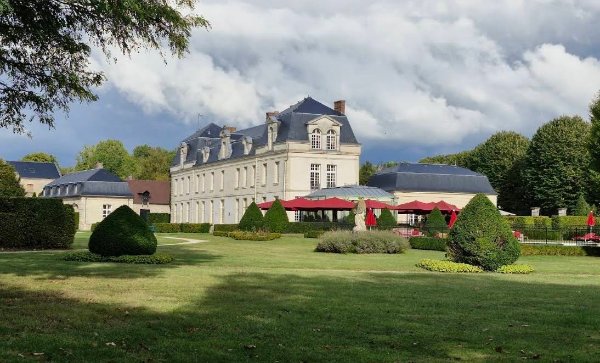
Château de Courcelles a Relais & Châteaux. For those wanting the stay itself to be an experience. A beautifully luxurious address with all the comforts, including an excellent restaurant and swimming pool. Located a half-hour drive west of Reims. Beautiful location with free bike rental and a tennis court. From 250,- per night. Check prices for your dates →
All mentioned prices are indicative and may vary.
Where to Eat in the Champagne Region?
Not a list of every restaurant in the area, but the addresses I'd seek out personally.
Reims
Sacre Burger. For a good burger in the heart of Reims. Perfect for a foundation between champagne tastings. Closed on Sundays and Mondays.
Brasserie Excelsior. A classic brasserie fitting of Reims. Large, lively, and good, just what you'd expect for an evening in a real French city. Beautiful garden and the menu features many French classics.
L'Atelier des Moines. A small bistro with a menu designed for sharing delicious dishes. For a quieter evening than at the Excelsior brasserie.
Brasserie Le Jardin. This is the brasserie of Hotel Les Crayeres. Not to be confused with the 2-star restaurant Le Parc. This brasserie is more accessible and especially enjoyable for sitting in the garden.
Épernay
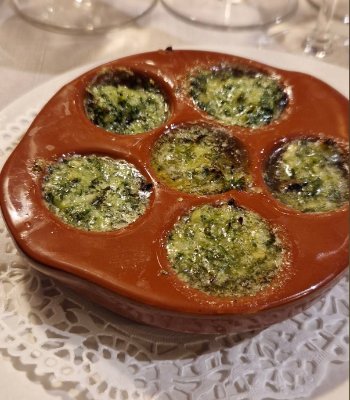
Chez Max. One of the most appreciated addresses in Épernay. A family restaurant since 1946. I had perfect escargots. Reserve in advance.
Sacré Bistro. A French intimate small bistro with a modern menu and focus on quality. It has an extensive wine list and dishes like oeuf mimosa and dorade carpaccio. Closed Sundays and Mondays.
Maison Saint Thibault Épernay. A bakery and tea salon that's the perfect stop if you're not ready for another cellar yet. Also recommended to start your day with coffee and something sweet.
How to Plan a Visit to the Champagne Region?
How do you get there? By car from the Netherlands is about 400 km to Reims, and then another half-hour to Épernay. By train, there's a TGV from Paris (Paris Est) to Reims in 45 minutes, making the Champagne region easy to combine with a few days in Paris.
Do you need a car? For the vineyards and small producers outside the cities: yes. Épernay itself is walkable.
Driving and tastings. Don't mix well. Consider an e-bike or taxi for the vineyard route if planning multiple tastings in a day. Some champagne houses offer transfers.
Reserve champagne houses. Do this before you leave. It's mandatory at the big houses and can fill up weeks in advance, especially in season.
How many tastings per day? Two is comfortable, three is the max. More than 3, and you're shortchanging both yourself and the champagne.
Combining Reims and Épernay. About 30 kilometers apart, 25 to 30 minutes drive. My approach: Reims on the way for lunch and one champagne house, then continue to Épernay for the rest of the stay.
How Many Days Do You Need for the Champagne Region?
2 days: see the highlights of Épernay and visit one or two champagne houses. Achievable, but tight if you also want to see the vineyards.
3 days: ideal. Enough for Reims as a stopover, Épernay as your base, two to three champagne houses, a vineyard drive, and good food without rushing. This is what I'd recommend for a first visit.
4 days or more: room for small producers, a slower pace, and the Route Touristique du Champagne. Worthwhile if you're truly interested in the region and don't want to rush.
What Would I Do Differently Next Time?
Three cellar tours in one day is really unnecessary. That sounds like a logical way to see a lot, but after the third, you focus on the one you remember most. Two a day, with a leisurely lunch between, is the max I'd plan.
I'd also prefer a small producer alongside a big house. The big house gives you scale and impression, the small one is more personal. This combination is well worth it.
Frequently Asked Questions About the Champagne Region
How many days do you need for the Champagne region?
Three days is ideal for a first visit. Enough for Reims as a stopover, Épernay as a base, a few champagne houses, and a drive through the vineyards. With two days, you'll see the highlights but it will be tight.
Is it better to stay in Reims or Épernay?
I'd choose Épernay: smaller, more charming, and the focus is entirely on the champagne houses. Stop in Reims on the way for lunch and one champagne house, then drive on to Épernay.
Which champagne houses are worth it?
If you only visit one, choose Taittinger in Reims. In Épernay, Moët & Chandon and Mercier are the logical big choices; for a small producer, Champagne Vincent d'Astrée is a personal recommendation.
Do you need to reserve champagne houses in advance?
Yes, at the big houses it's mandatory and sometimes needed weeks in advance. Do this before departure, especially in season.
Do you need a car in the Champagne region?
For vineyards and small producers outside the cities, you do. Épernay itself is walkable.
How many champagne houses can you visit in a single day?
Two is comfortable. Three is the absolute max. More than that, and you're not doing yourself or the champagne justice.
What is the best time to visit the Champagne region?
May to October is good. September and October are special because of the grape harvest: the vineyards are at their most beautiful, and there's more to see at the champagne houses.